Recycling 101
What can actually be recycled?
Recycling starts with knowing what belongs in the recycling bin. Many everyday materials can be recovered
and used again, but putting the wrong items into a recycling stream can contaminate otherwise valuable
material.
Paper & Cardboard
- Office paper
- Newspapers & magazines
- Cardboard boxes
- Clean paper packaging
Plastic

Glass
- Glass bottles
- Glass jars

Metal
- Beverage cans
- Food tins
- Clean metal packaging
Cartons
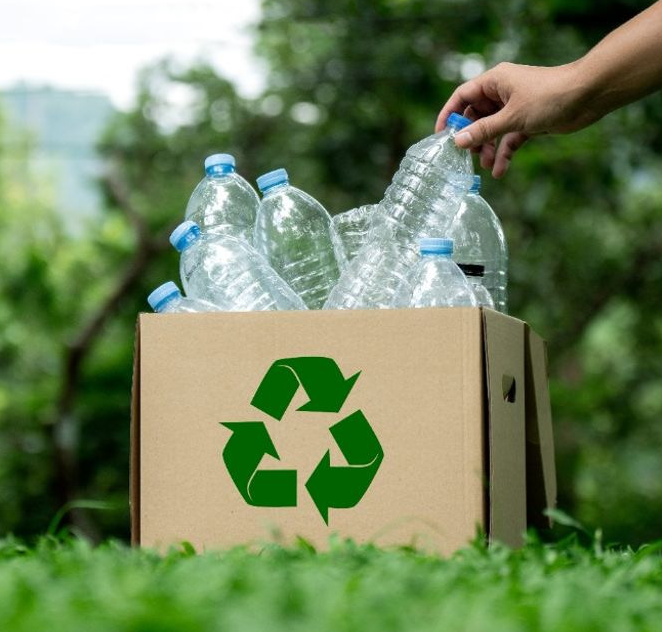
Before you recycle
Empty it . Rinse It . Separate it.
You do not need everything to be spotless, but recyclables should be reasonably clean and free from food, liquids and other waste.
Remember
A recycling symbol does not always mean that an item will
be accepted by every recycling programme. Collection systems and recycling markets differ, so always check what your waste serviceprovider or local recycling facility accepts.
Small changes at the bin make a big difference further down the recycling process.
02 Contamination
Why Contamination Matters?
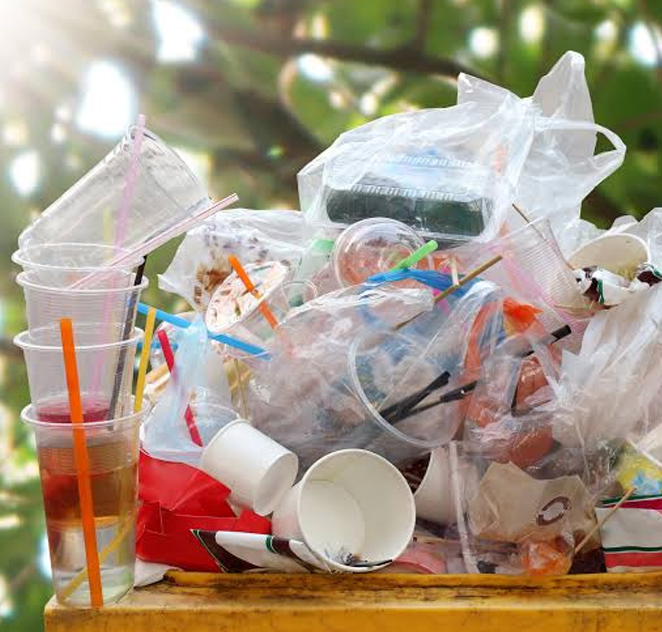
One wrong item can affect far more than one recycling bin. Contamination happens when material that does not belong in a recycling stream is mixed with material that does.
Common examples include:
- Food mixed with paper
- Liquids left inside containers
- General rubbish placed in recycling bins
- Heavily soiled packaging
- Hazardous material mixed with ordinary recyclables